Preparing a motorcycle tyre order for East and West Africa
A practical checklist for importers and distributors in Kenya, Uganda, Tanzania, Nigeria and Ghana.
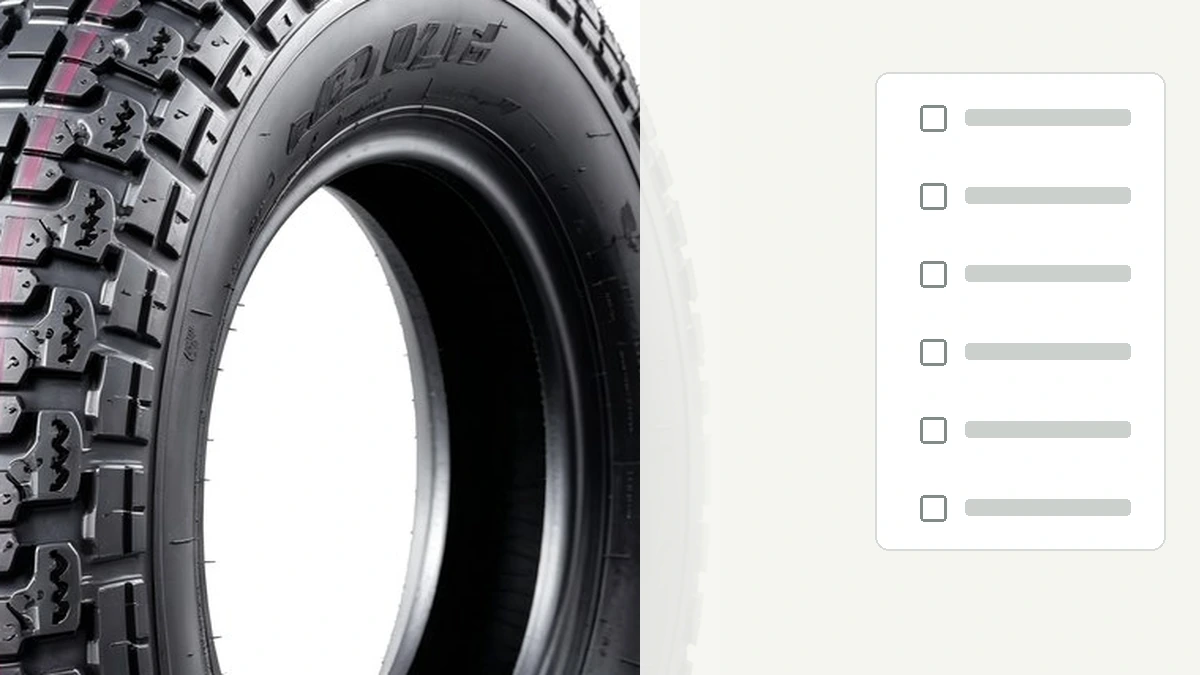
Importing motorcycle tyres by container takes more planning than buying from a local wholesaler. Most problems — slow-selling sizes, tubes with the wrong valve, a container held at the port — start before the order is placed. This checklist is for importers and distributors in Kenya, Uganda, Tanzania, Nigeria and Ghana who are preparing an order from China.
1. Build your size list from the bikes your customers ride
Start from the sidewalls, not from a catalogue. Ask your workshops and retailers which sizes they replace most often, front and rear, and write them exactly as printed — 2.75-17, 3.00-18, 90/90-18 and so on. A short list of sizes you know will sell is safer than a long list of guesses.
2. Split the list by how the bikes are used
A taxi rider, a delivery rider and an off-road rider wear tyres in different ways. Note the main use next to each size. Send it with your enquiry so the supplier can suggest patterns, and ask for samples of the patterns you have not sold before.
3. Decide tube-type or tubeless — and order the tubes with the tyres
If your market rides on tube-type tyres, every tyre needs a tube in the matching size with the right valve. Check the valve (TR4, TR87 or TR13) for each size and order tubes in the same shipment, so your customers can buy both together.
4. Work out the quantities against the MOQ
Factories set a minimum for each item. With ZENYARE it is 300 pieces per tyre size and pattern, and 2,000 pieces per tube size and material. Put your best sellers first, then add slower sizes only where you can reach the minimum. Ask the supplier how the sizes fit in a container before you finalise the list.
5. Agree the port and the inland route
Name the destination port — for example Mombasa, Dar es Salaam, Lagos or Tema — and, for inland destinations, the route your clearing agent uses. Freight and schedules change, so confirm them for each order rather than relying on last year’s figures.
6. Check the import documents before you pay the deposit
Requirements differ by country and change over time. Ask your clearing agent what the shipment needs — for example a certificate of origin or a pre-shipment inspection — and give the list to your supplier before the order is confirmed. Finding out after the goods have left China is expensive.
7. Ask for documents, not adjectives
“DOT certified”, “international quality” and “best for Africa” are easy to write. Ask instead for documents you can check: an ISO 9001 certificate with its registration number and expiry date, the manufacturer code moulded on the tyre, and any type approval with the exact sizes it covers.
8. Test samples, then order
Samples of your main sizes and patterns let you check fit, tread and finish before a full container. Ask what the samples cost and how long they take.
Ready to send your list? Use our enquiry checklist or message us on WhatsApp: +86 159 6693 1211. We usually reply within one working day (GMT+8).
Questions importers ask
How many sizes should a first order have?
As many as you can sell at the minimum quantity. For ZENYARE that is 300 pieces per tyre size and pattern, and 2,000 per tube size and material.
Should I order tyres and tubes together?
If your market uses tube-type tyres, yes — matching sizes and valves in the same shipment avoids gaps on the shelf.
Send your size list
Sizes, TT or TL, quantity per size and destination port. We usually reply within one working day (GMT+8).